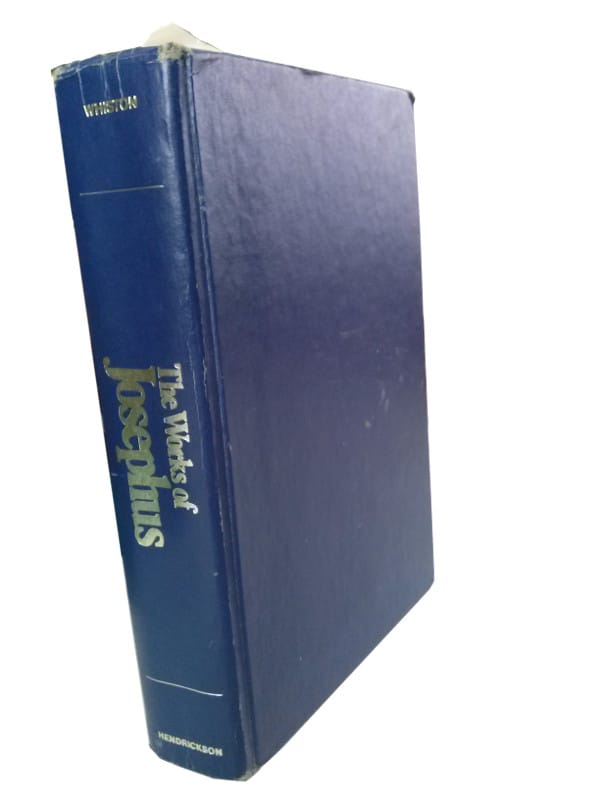
Everyone Should Read Josephus

Why everyone who likes ancient Middle Eastern history should read the works of Josephus.

The contributions of the first century writer, historian, and apologist, Josephus are innumerable. His words wield such rich treasures in historical and theological artifacts, and are so well known for almost two millennia, that he likely is the most taken-for-granted author ever. Old English print copies, online versions, and even a movie has covered a portion or all of his works, which makes him so celebrated, that it feels like qualifying anything from him is stating the obvious. His works are well prepared and documented, and carry little controversy or surprise to almost anything. He simply adds more details to the already known historical records, and does a superb job with this, but his narrative writing form is very gripping – especially the The Jewish War.
Read more

Conyers Middleton's Essay on Tongues

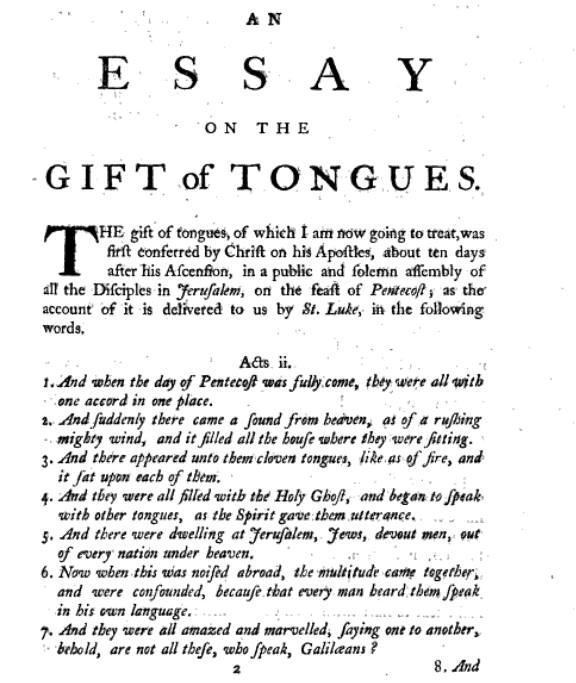
Introduction graphic to the essay on the gift of tongues

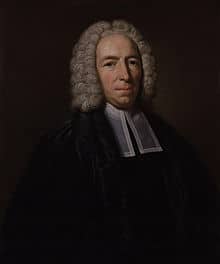
Conyers Middleton’s Essay on the Gift of Tongues is an important later Reformation work on this subject. He dug deeper than most authors but did not reach paydirt. Nonetheless, there is good thinking going on here.

Read more

Believer/Unbeliever, Faithful/Infidel, What is best?

A question of properly translating πιστός and ἄπιστος in Byzantine Greek Church literature.
Should they be translated as believer/unbeliever, or faithful/infidel?
The translation of believer is not difficult to accept, though it is a tad ambiguous in today’s English, but unbeliever is too neutral. It does not reflect the intensity ascribed to by the majority of the original writers. Infidel may be better suited. It is a strong word that has near racist implications based on religious grounds, and has especially been propagated by media coverage of radical Islamic actions against those who do not share their beliefs. In reference to some Byzantine Church writings, infidel feels closer to the writer’s intent.

Read more